
Note what this page is not: this site holds no listings, runs no search tool, and is not connected to any listing service or brokerage. It explains the process. The listings themselves live with brokerages and the public listing portals.
Step one: write down the constraints before you look
Riverside offers a wider range of housing types within one city than most Southern California markets — century-old bungalows, postwar ranch tracts, hillside custom homes, planned-community two-storeys, condominiums and townhouses. That variety is a genuine advantage, and it will also scatter your search across incompatible options unless you decide some things first.
The constraints worth fixing on paper, before you look at a single listing:
- Total monthly cost, not purchase price. Principal and interest, property tax including any special assessments, insurance, any association dues, and a realistic figure for summer cooling. The financing page walks through how the payment is built.
- Commute tolerance, measured. Drive it at the hour you would actually drive it. See relocating.
- School requirement, if any — and confirmed by address, not by neighborhood name. See schools.
- Renovation appetite. An honest answer changes which decades of housing stock are even worth viewing.
- Lot versus house. In this city you can frequently trade one for the other; deciding which you actually want removes half the market.
Step two: finding candidates
Most buyers now start with the public portals, and they are genuinely useful for scanning inventory and getting a feel for pricing. Understand their limits:
- Automated valuations are estimates, not appraisals. They are models built on comparable sales and public records, and they perform worst exactly where a market is most varied — which describes Riverside's mix of eras and lot sizes precisely.
- Status information can lag. A property shown as available may be in contract; a property that vanished may have been withdrawn rather than sold.
- Photographs are marketing. Wide lenses, favourable hours and selective framing are standard practice, not deception, but they are not measurement.
- Property detail is entered by hand. Square footage, year built, lot size and bedroom counts on a listing can differ from the county's own records. The county's assessment records are the more reliable source.
The public record is free and worth using. County assessment and recorder data will tell you the recorded square footage, the parcel size, the assessed value and the sale history for a specific parcel. Start at the County of Riverside.
Step three: evaluating a property in person
An inland valley climate and a housing stock spanning a hundred and twenty years mean the things worth checking here are not always the things a general checklist emphasises.
Cooling and the building envelope
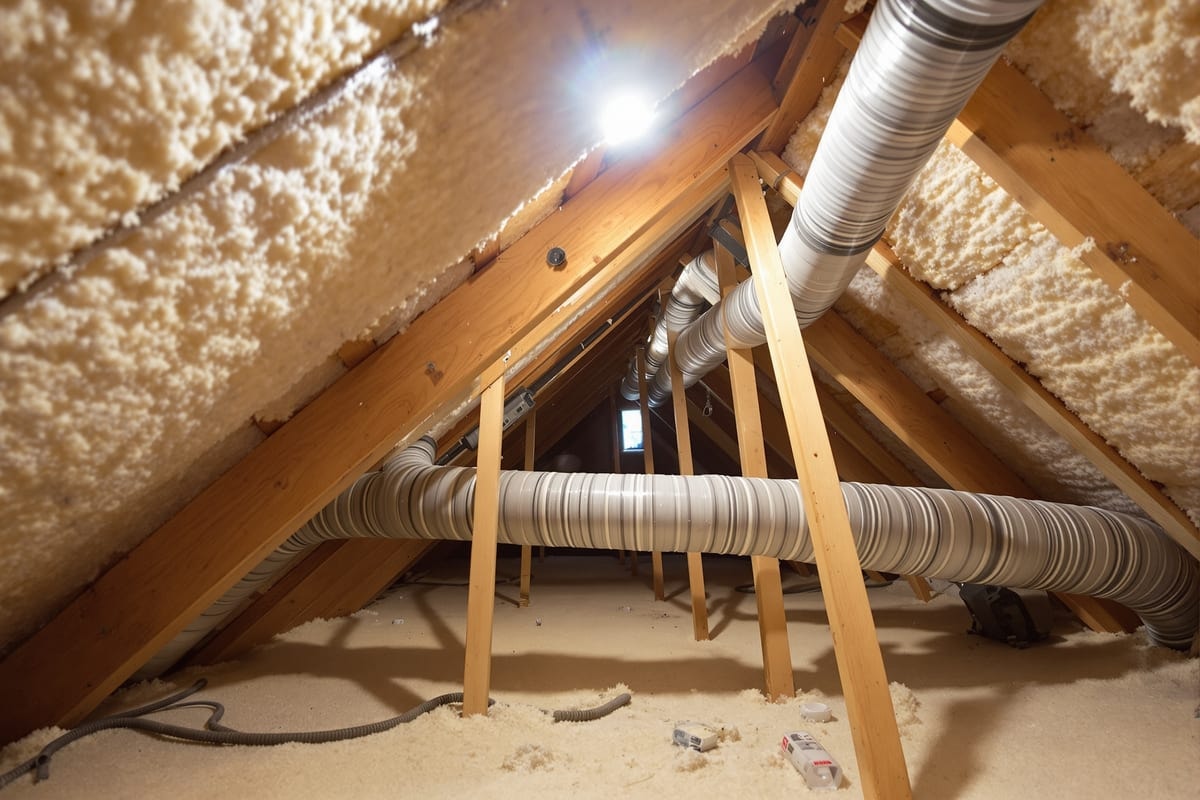
This is the single largest running-cost variable in Riverside. On any viewing, look for: the age and type of the air conditioning system, whether ducting runs through an uninsulated attic, the presence and depth of attic insulation, whether windows are single or double glazed, the orientation of the main living space, the extent of eave overhang, and whether there is mature shade on the west-facing side. Two identical floor plans can differ dramatically in summer cost on these points alone.
Water and landscape
A large irrigated lawn on a large lot is a standing monthly expense. Look at what is actually planted, whether irrigation is drip or spray, and whether the previous owner has converted to drought-tolerant planting. Conversion is a cost if you want it and a saving if it is done. See utilities.
Age-appropriate structural checks
For pre-1940 houses: foundation type and condition, roof age, electrical service capacity and whether original wiring remains, plumbing material, and any seismic retrofit work. For 1950s–1970s tracts: roof, original single-pane windows, service panel capacity, sewer lateral condition, and whether the original ducting has ever been replaced. For newer construction: builder-grade component ages, association rules, and the details of any special assessment on the parcel.
The neighborhood, at more than one hour
Visit a shortlisted street on a weekday evening and again on a weekend morning. Traffic patterns, parking pressure, noise from arterials or freeways, and how much the block is actually used are all invisible at eleven on a Tuesday.
Step four: the offer and the inspection
California transactions run on a structured disclosure and inspection process. You will receive statutory disclosures from the seller, and you will have a defined period to conduct your own inspections and to act on what they find. Use the whole period, order specialist inspections when a general inspector flags something, and read the disclosures rather than skimming them — they are where known problems are legally required to appear.
For general, non-commercial explanations of the buying process, the Consumer Financial Protection Bureau publishes plain-language material on offers, loan estimates and closing. For the rules that govern licensed agents and brokers in this state, and for verifying that a specific licensee is in good standing, the California Department of Real Estate is the authority.
A note on pace
Markets move. A search conducted when inventory is thin feels entirely different from the same search six months later, and the temptation in a fast market is to compress the evaluation step because there is no time. Compressing it is how people end up with a house that costs four hundred dollars a month more to cool than they budgeted. The constraints you wrote down in step one exist precisely so that you can decide quickly without deciding carelessly.