The climate is the first adjustment
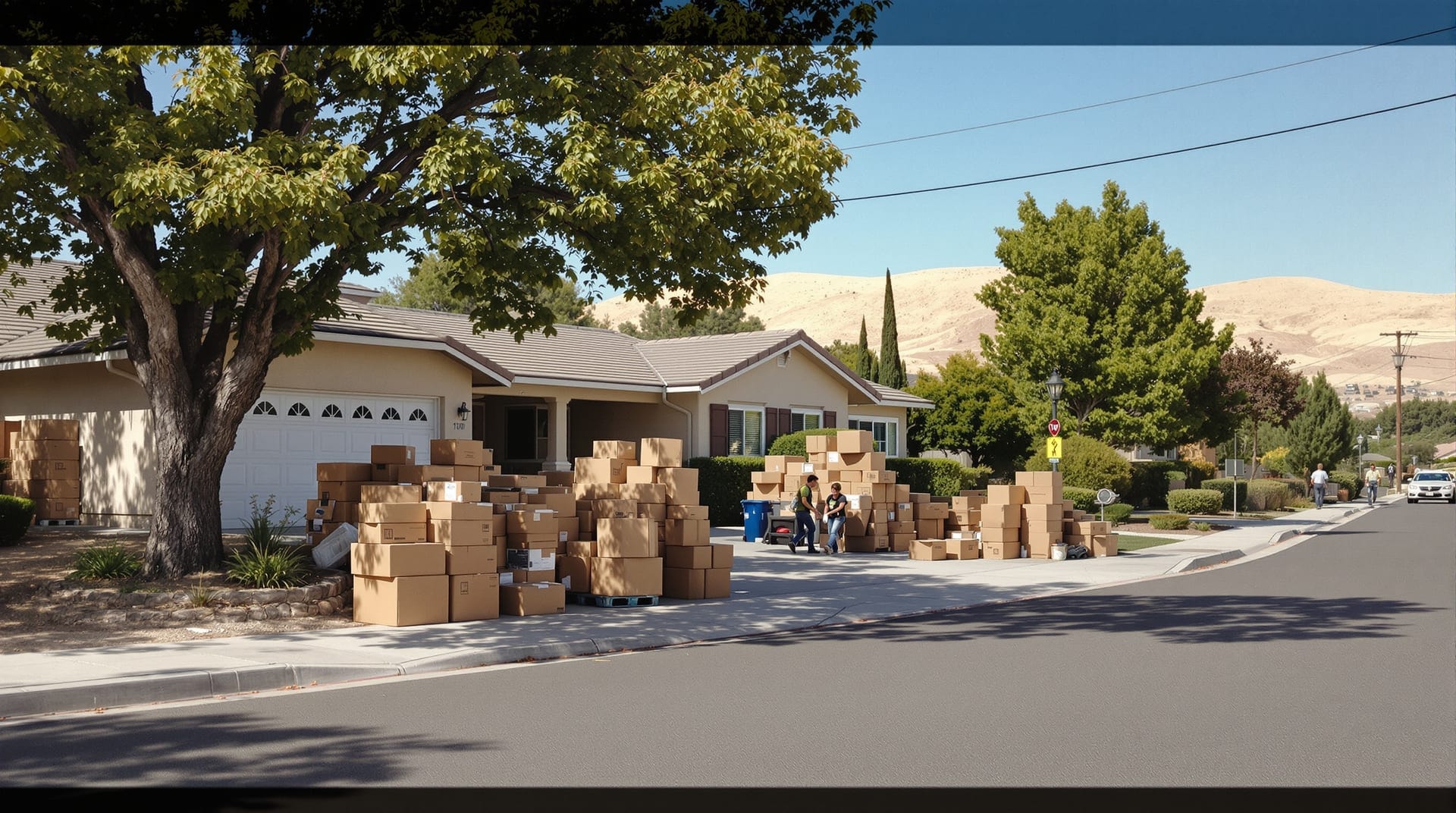
Riverside sits in a hot-summer Mediterranean zone at the edge of semi-arid. The marine layer that keeps coastal Southern California temperate in July does not reach this far inland with any reliability. Summer highs above 100°F are normal for stretches of July, August and September; the air is dry, which makes the heat more tolerable than the same number would be elsewhere, and nights drop substantially, which is why so many older houses here were built to be opened up after sunset.
Winter is mild and short. Most of the year's rainfall — roughly ten inches in an average year, though the variance between years is large — arrives between November and March. Autumn brings Santa Ana conditions: dry offshore winds that push humidity into single digits and raise wildfire risk across the region's brush-covered slopes. The California Department of Forestry and Fire Protection publishes the fire hazard severity zone maps that determine which properties face additional construction and defensible-space requirements, and it is worth checking a specific address against them before you commit to it.
The household consequence of all this is cooling. Air conditioning is not optional here, the summer electric bill is the largest seasonal swing in most household budgets, and the condition of a home's insulation, windows, attic ventilation and HVAC system matters more than it would nearer the coast. The utilities page goes into what that looks like on a bill.
The commute is the second
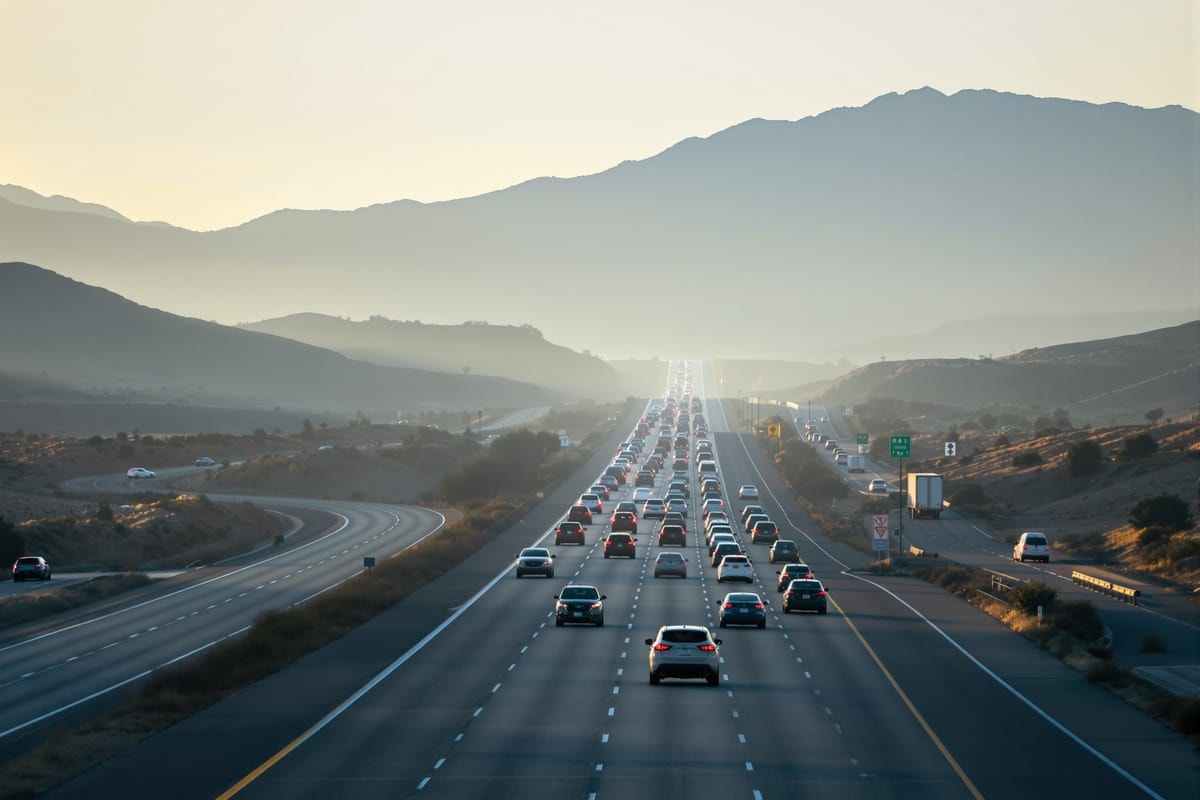
If you are keeping a job on the coast, understand the commute before you choose a neighborhood, not after. The main westbound routes are State Route 91 toward Orange County, State Route 60 and Interstate 10 toward Los Angeles County, and Interstate 215 north and south. Peak-direction traffic on the 91 in particular is heavy and long-lasting, and a drive that takes forty minutes at ten in the morning can take twice that at seven.
Rail is a genuine alternative for some destinations. Commuter rail service runs from Riverside toward Los Angeles and toward Orange County, and the county's transportation planning — including which corridors are being expanded and on what timeline — is published by the Riverside County Transportation Commission. Local bus service covers the city and connects to the stations. Whether any of it works for you depends entirely on where your other end is, so test the actual journey at the actual hour before deciding.
What a household costs to run here
Housing is the headline difference: for a given amount of money you will generally get more square footage and considerably more land in Riverside than within twenty miles of the coast. That is the trade people are making. The offsetting costs are less visible:
- Cooling. Four to five months of heavy air conditioning, on a house that may be larger than the one you left.
- Water. Outdoor irrigation is the largest share of residential water use in an inland climate, and a large lot with a traditional lawn is expensive to keep green.
- Driving. More miles, more fuel, more wear, and often a second vehicle where a coastal household managed with one.
- Special assessments. Some newer developments carry community facilities district charges on the property tax bill, which fund the infrastructure the development required. These are disclosed, but they are easy to overlook. See home values.
None of these are reasons not to move. They are the reasons a household budget built on coastal assumptions tends to be wrong in the first year.
Choosing where to look
Riverside's neighborhoods differ more by era than by anything else. The city has intact pockets of 1900s–1920s craftsman housing, large tracts of 1950s and 1960s ranch homes, hillside developments from the 1980s and 1990s, and newer master-planned areas at the southern and eastern edges. Each era comes with its own package of lot size, ceiling height, garage arrangement, insulation standard, tree cover and street pattern. The neighborhoods guide walks through them.
If school assignment matters to your household, work out the district and attendance area before you fall in love with a street. Riverside is served by more than one district and the boundaries do not follow the obvious landmarks. The schools page explains how to check.
Your first month
A short list of the things that are easiest to do early and annoying to do late:
- Open the utility account. Electric and water for most of the city come from the city-owned utility rather than a private company, and the account is set up through the city.
- Find out your trash, recycling and green waste collection day, and what the rules are for bulky item pickup.
- Check whether your property sits in a special assessment district, a homeowners association, or a designated historic district — each carries obligations.
- Register your vehicles and update your driver licence with the state within the statutory window.
- Locate your polling place, your city council ward and your county supervisorial district. Local decisions here are genuinely local.
- Walk the neighborhood at the times you will actually be in it — a weekday evening and a Saturday morning tell you more than any listing description.
The honest summary
Riverside rewards people who want space, a real downtown, mature trees and a city with its own history rather than a subdivision of somewhere else. It asks in return that you accept genuine summer heat, plan around a commute if your work is west of here, and budget for the cooling and irrigation that an inland valley demands. People who understand that trade before they make it tend to be happy; people who discover it in their first August tend not to be.