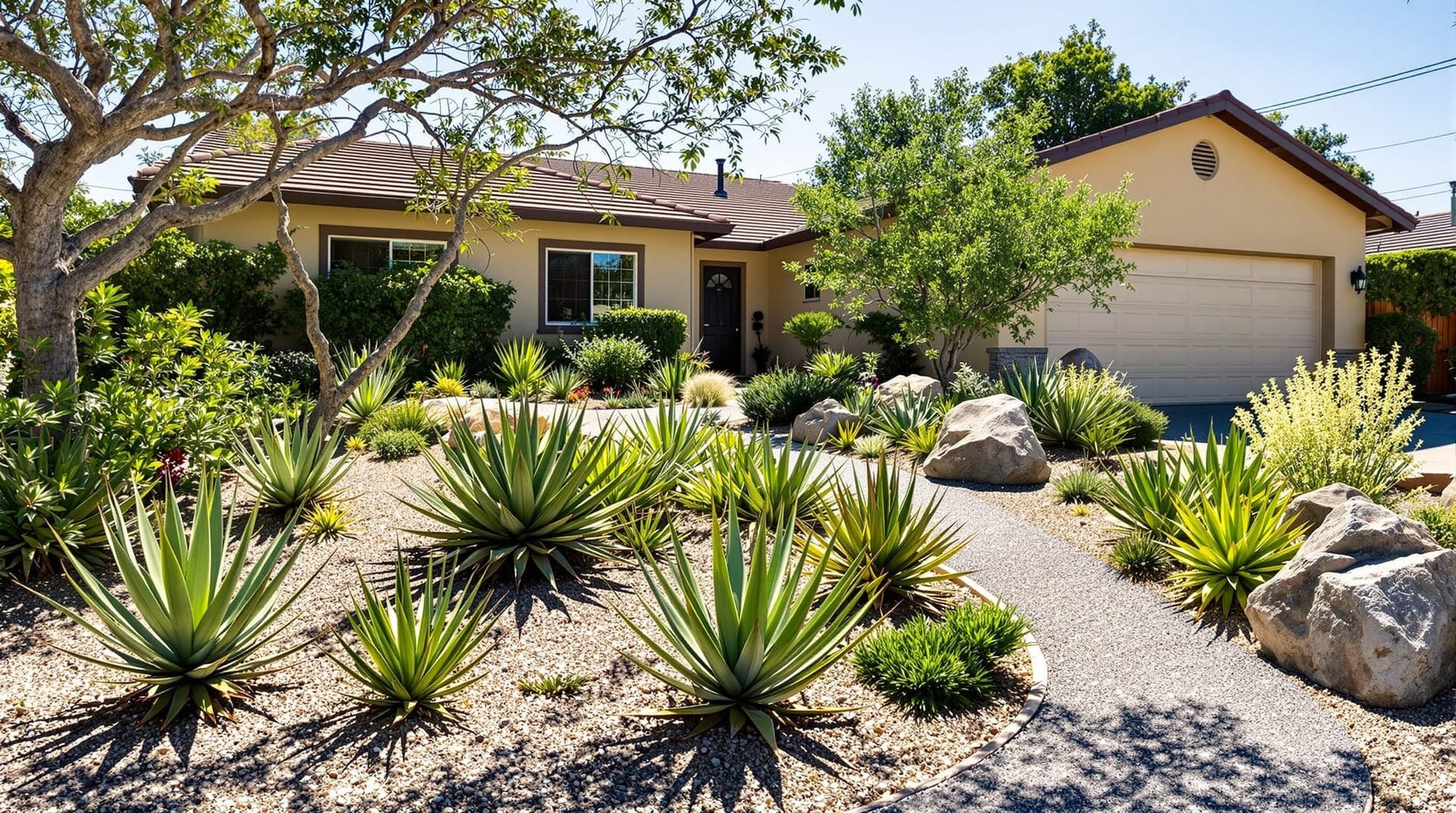
What comes from where
- Electricity and water — supplied by the city's own municipal utility. Service is established through the city, and the account is tied to the property.
- Natural gas — supplied by a regional investor-owned utility across the wider area.
- Refuse, recycling and green waste — collected on a city schedule that varies by neighborhood, with separate arrangements for bulky items and household hazardous waste.
- Sewer — a city service, billed with the utility account.
Current rates, rebate programmes, service establishment and collection schedules are published by the city; start at the Riverside Public Utilities pages.
Why the summer bill is the whole story
In a hot-summer inland climate, a household's electricity use is not spread evenly through the year. It is comparatively modest from November to April and then rises steeply through the cooling season, with July, August and September typically several times the winter baseline. Two households in the same neighborhood, with the same number of people, can differ enormously in that peak — and the difference is almost entirely the building, not the behaviour.
The factors that matter most, in rough order:
- Attic insulation. The cheapest large improvement available in most older Riverside homes. Attic temperatures in an inland summer are extreme, and insufficient insulation puts that heat straight into the ceiling of every room.
- Ducting. Ducts that run through an unconditioned attic and leak at the joints deliver cooled air into the roof space. Sealing and insulating ductwork is unglamorous and highly effective.
- Air conditioning equipment. Efficiency standards have risen substantially; a system past its expected service life is usually both less efficient and closer to failing on the hottest day of the year.
- Windows and shading. West-facing glass is the enemy in this climate. Dual glazing, exterior shading, awnings, eave depth and mature trees on the west side all measurably reduce afternoon load.
- Roof colour and material. Lighter, more reflective roofing reduces attic temperature and therefore cooling demand.
The California Energy Commission publishes the state's building efficiency standards and consumer guidance on what actually reduces residential energy use. Because the utility is municipally owned, rebate programmes for efficiency upgrades are administered locally and are worth checking before commissioning work rather than after.
Water: the outdoor share is the decisive one
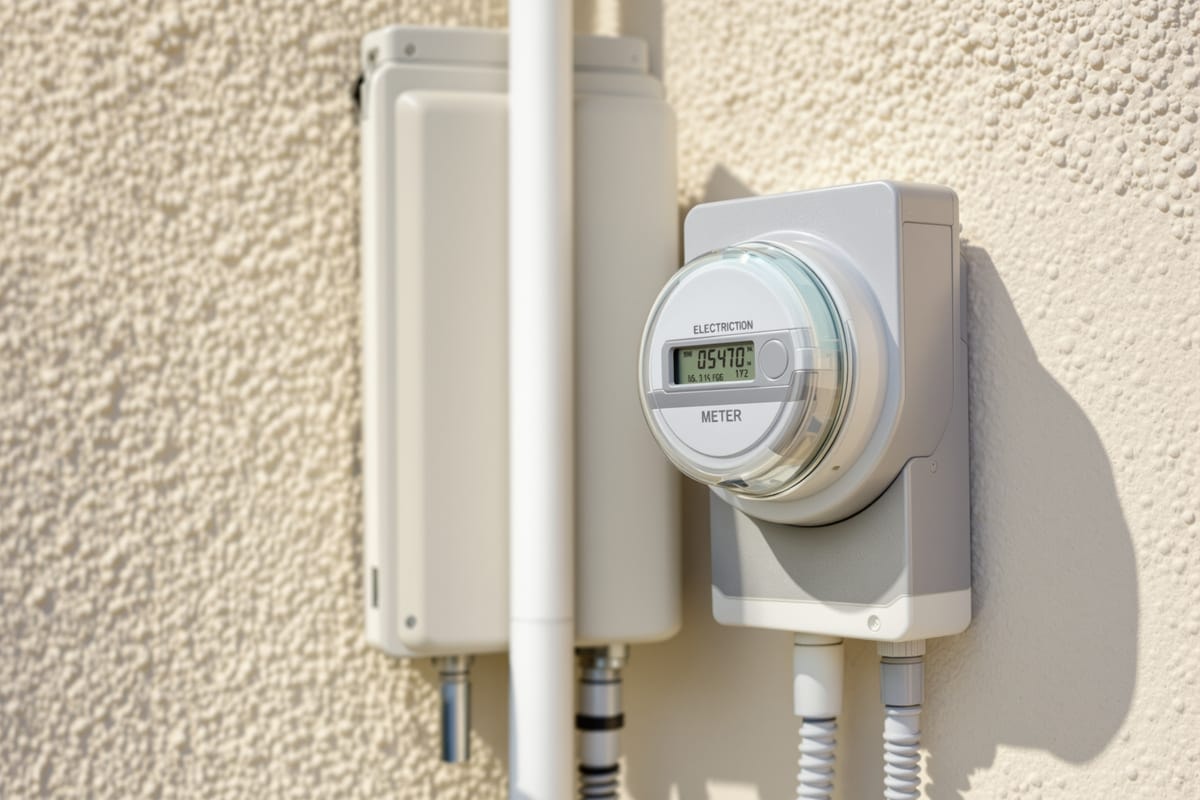
In an inland Mediterranean climate, outdoor irrigation is generally the largest component of residential water use — often more than everything indoors combined. A large lawn on a large lot, watered through a dry summer, is a standing monthly cost, and Riverside's older neighborhoods are full of large lots.
The practical levers:
- Convert high-water turf that is not actually used to drought-tolerant or California native planting. Function first: keep the lawn the children play on, replace the strip nobody walks on.
- Change the delivery method. Drip irrigation on beds and trees loses far less to evaporation and overspray than spray heads, particularly on a windy afternoon.
- Fix the controller. Irrigation timers set once and forgotten are among the most common sources of waste; a weather-responsive controller adjusts to season and rainfall automatically.
- Water early. Pre-dawn irrigation loses much less to evaporation than the same volume applied at midday.
- Look after the trees. Mature shade trees reduce cooling costs; they are the last thing to sacrifice in a landscape conversion, and they need deep infrequent watering rather than frequent shallow watering.
Statewide water supply conditions — and the conservation requirements that follow from them — are tracked by the California Department of Water Resources. Local restrictions, watering-day rules and rebate schemes are set by the city and change with conditions, so confirm the current position rather than relying on what applied a few years ago.
Solar and the local picture
Rooftop generation is common in this climate for the obvious reason: the sun is abundant and the load is highest when it is shining. The economics depend on the specific tariff, the compensation arrangement for exported energy, roof orientation and shading, and whether a system is purchased, financed or leased. Because Riverside is served by a municipal utility rather than a large investor-owned one, the applicable rules and programmes are the city's own — a critical detail, because most general advice found online describes the investor-owned utility framework and does not apply here. Confirm the local position before signing anything, and be careful with any arrangement that attaches an obligation to the property itself, since it will follow into a future sale.
A sensible first-year sequence
- Open the account, learn the billing cycle, and note the collection schedule for your street.
- Get the attic looked at before the first summer. Insulation depth and duct condition are cheap to assess.
- Audit the irrigation system in spring: check every zone, look for leaks and overspray, reset the controller.
- Track the first full summer of bills before making a large equipment decision. A single hot month tells you what the building actually does.
- Check the city's rebate list before commissioning any efficiency work.
For how these costs feed into what a property is worth, see home values; for what to look for while viewing, see searching for a home.