This is general explanation, not an appraisal and not advice about any specific property. For a defensible figure on a particular home, a licensed appraiser is the appropriate professional.
The three ways a value gets estimated
- Comparable sales. Recent sales of similar homes nearby, adjusted for differences. This is the dominant method for residential property and the basis of both appraisals and automated estimates.
- Cost. What it would cost to rebuild the structure, plus land value, minus depreciation. Most relevant for unusual properties with few comparables — a hillside custom home, for instance.
- Income. What the property would earn as a rental, capitalised. Relevant for investment property and for homes with a legal second unit.
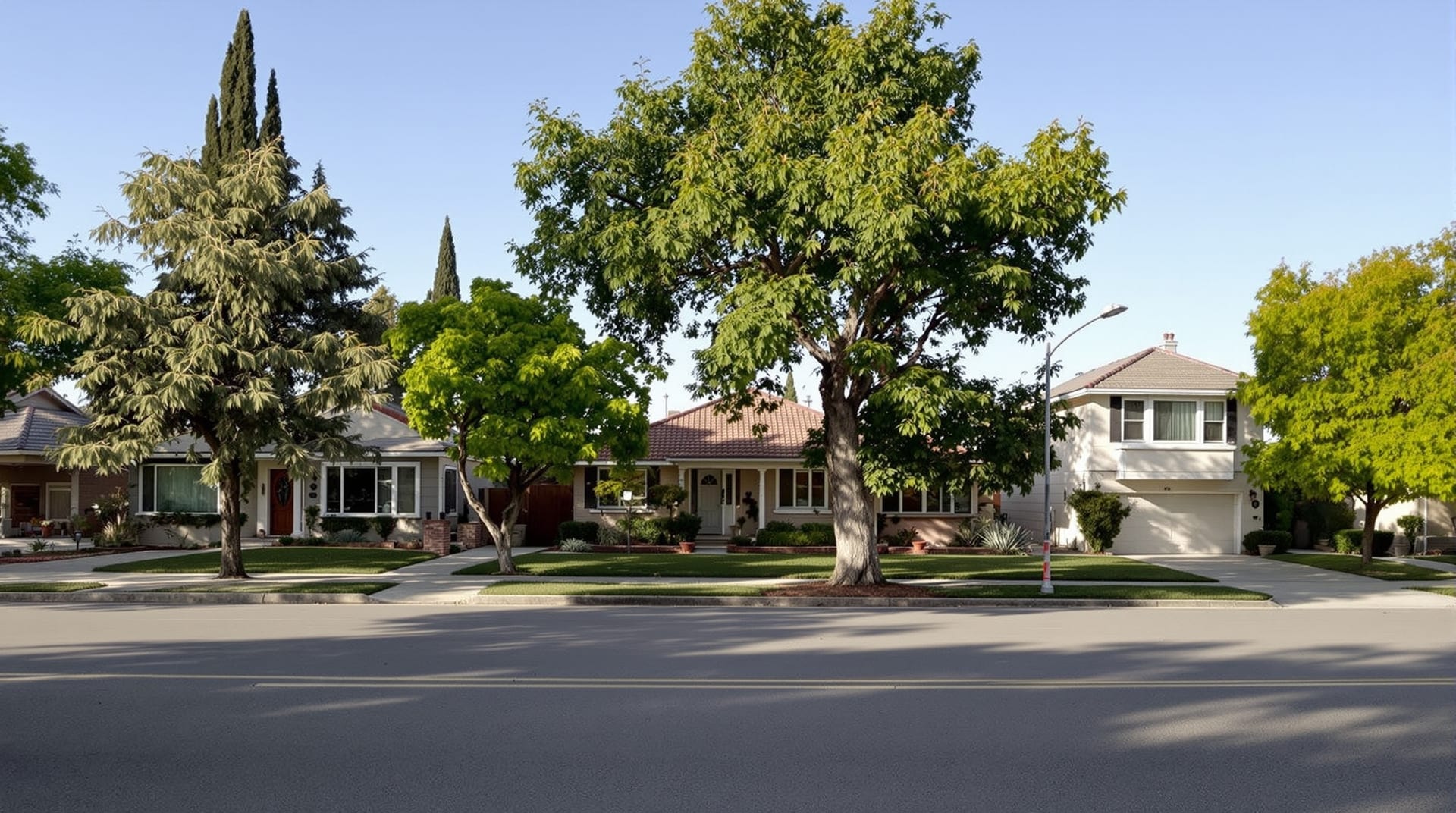
Automated online estimates are comparable-sales models. They are reasonable where housing is uniform and much weaker where it is not. Riverside's mix — a 1922 bungalow, a 1964 ranch and a 2004 two-storey can sit within half a mile of each other on very different lot sizes — is exactly the condition that widens the error band.
What moves value most in this market
Land, and what you can do with it
Lot size and usability carry real weight here, because lots are large by regional standards and because California has expanded what an owner may build on them. State law now broadly permits accessory dwelling units on residential parcels, subject to local standards, which makes a large flat lot with side access materially more valuable than the same house on a constrained lot. Local requirements — setbacks, parking, height, utility connections — are set by the city, so check with the City of Riverside for any specific parcel before assuming what is possible.
Era and condition of the envelope
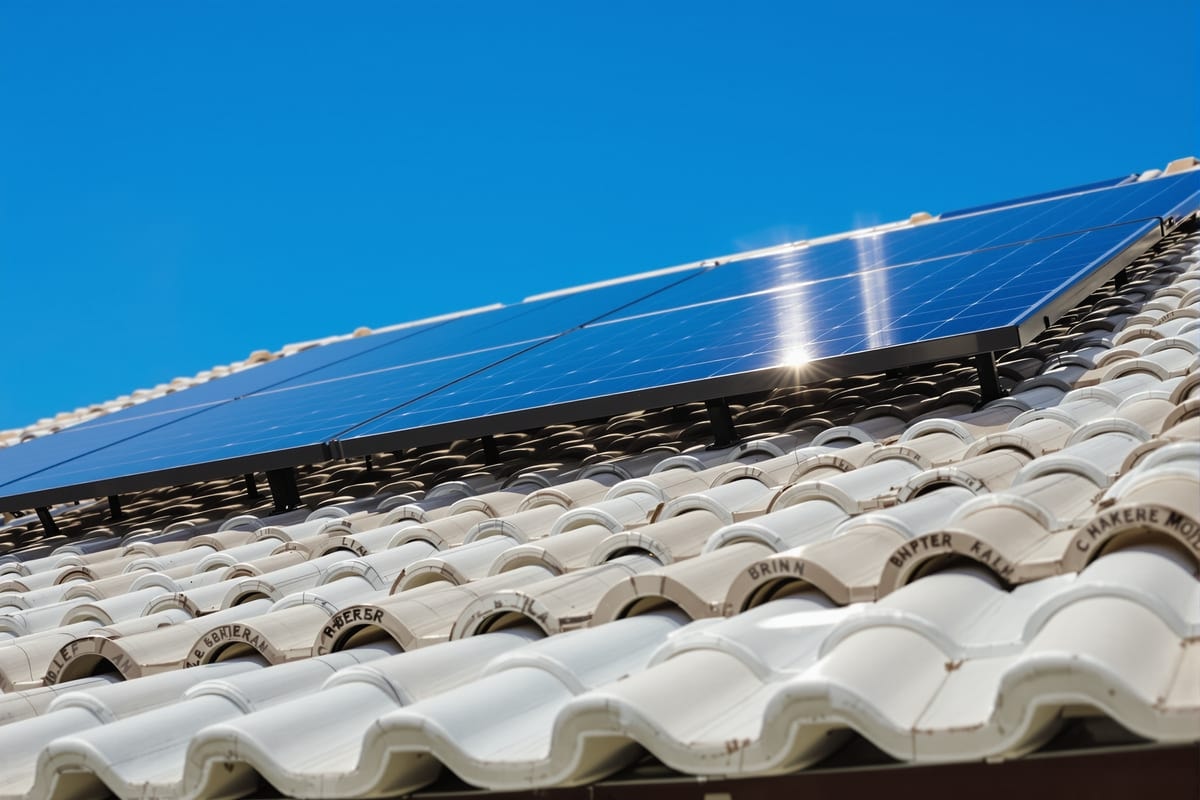
A buyer in an inland climate is buying a cooling bill along with the house. Documented upgrades — a newer high-efficiency HVAC system, replaced ducting, attic insulation brought to modern depth, dual-glazed windows, a cool-roof material, solar generation — all show up in what people will pay, because they translate directly into a lower monthly cost. Deferred work in the same categories shows up as a discount, usually a larger one than the repair would cost.
School attendance area
Assignment boundaries influence demand, and because Riverside is served by more than one district and the boundaries do not follow neighborhood names, two adjacent streets can sit in different attendance areas. This is a real value factor and it is also one that must be verified per address rather than assumed. See the schools page.
Position, shade and orientation
Mature tree canopy, a west-facing wall that is shaded in the afternoon, a corner lot with cross-ventilation, an elevated position with a view — these are worth more here than a coastal buyer would expect, and for practical rather than aesthetic reasons.
Historic designation
Parts of Riverside carry historic district or landmark status. Designation tends to support values by protecting the streetscape, and it constrains what an owner may change on the exterior. Neither effect is small, and both should be confirmed with the city for a specific address.
The California mechanics people miss
Assessed value is not market value
Under California's property tax framework, a property's assessed value is generally set at its value when acquired and then increases only within a capped annual limit, until a change of ownership or new construction triggers reassessment. The practical consequences:
- Two identical neighbouring homes can carry very different annual tax bills purely because of when each was last sold.
- The tax figure shown on a listing may reflect the seller's assessment, not what a new buyer will pay.
- After a purchase, a supplemental assessment typically follows, reflecting the difference between the old assessed value and the new one — and it arrives as a separate bill that catches many first-time California buyers off guard.
The California State Board of Equalization publishes explanatory material on how property tax assessment works statewide, and the county assessor administers it locally.
Special assessments and community facilities districts
Newer master-planned areas frequently carry additional charges on the tax bill that fund the infrastructure the development required. These are legitimate, disclosed and sometimes substantial, and they can persist for decades. They are attached to the parcel, not the owner. Always look up the full tax bill for the specific parcel rather than applying a general percentage to the purchase price.
Association dues
Planned communities and condominium developments carry monthly dues and their own rules. Dues are a recurring cost with no equity component; the governing documents and reserve position of the association are worth reading before purchase, not after.
Improvements: what tends to return and what does not
No improvement is guaranteed to return its cost, and the return depends heavily on what comparable homes in the immediate area already offer. As general tendencies in this climate and market:
- Usually holds value well: systems and envelope work (HVAC, roof, insulation, windows), kitchens and bathrooms brought to a standard consistent with the neighborhood, permitted additional living space, functional outdoor space with shade.
- More variable: swimming pools, highly personalised finishes, elaborate landscaping that carries a high water requirement, and conversions that reduce the bedroom count.
- Reliably costly: unpermitted work. It complicates financing, appraisal, insurance and resale, and it is a recurring finding on older properties that have been extended informally.
Before you rely on any number
Pull the county's record for the parcel, look at the full tax bill rather than the base rate, confirm the school attendance area, confirm any historic or association obligations, and get a licensed appraisal if a real decision depends on the figure. An estimate from a model is a starting point for a conversation, not the end of one. If you are still working out where to look, the neighborhoods guide is the better starting place.